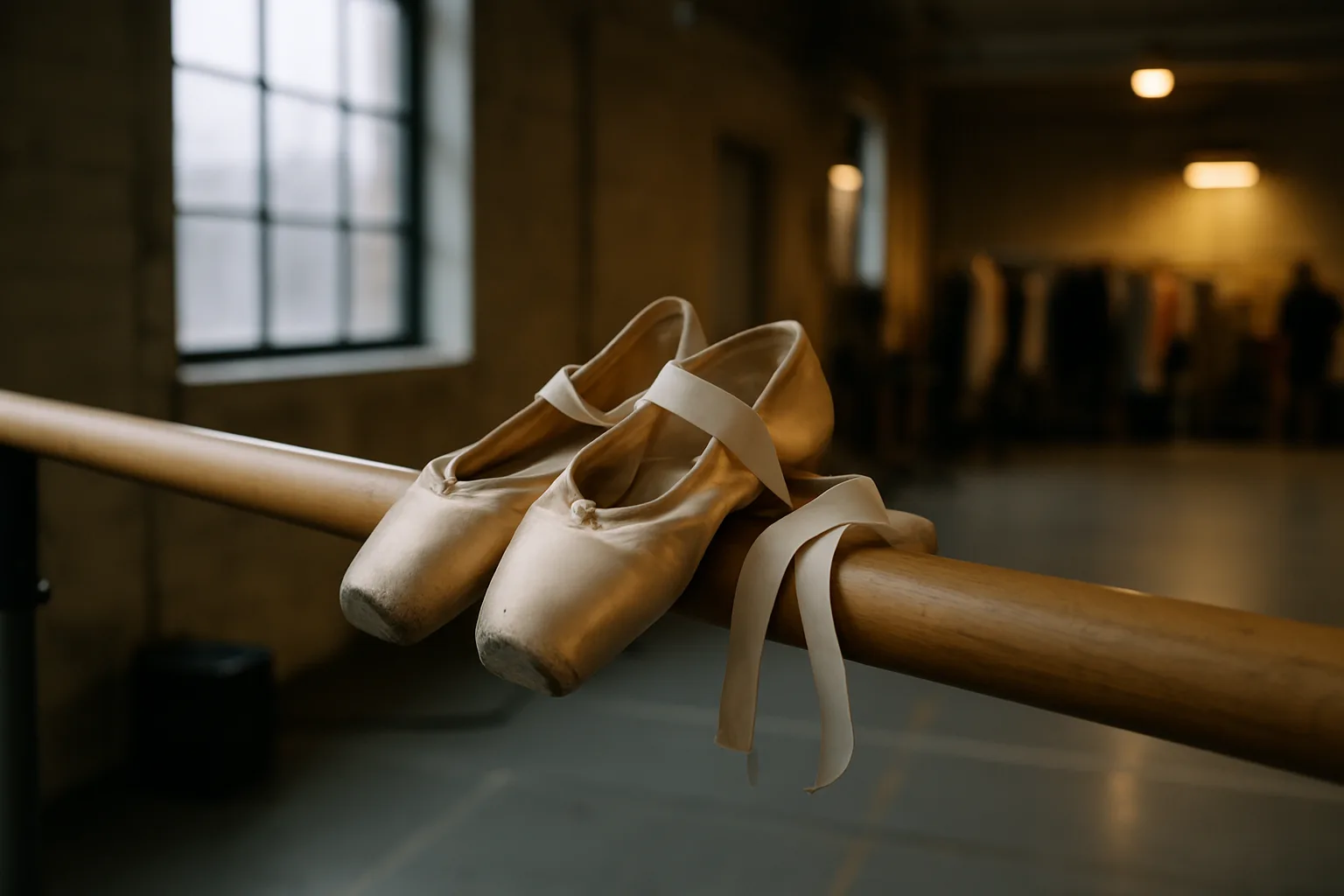
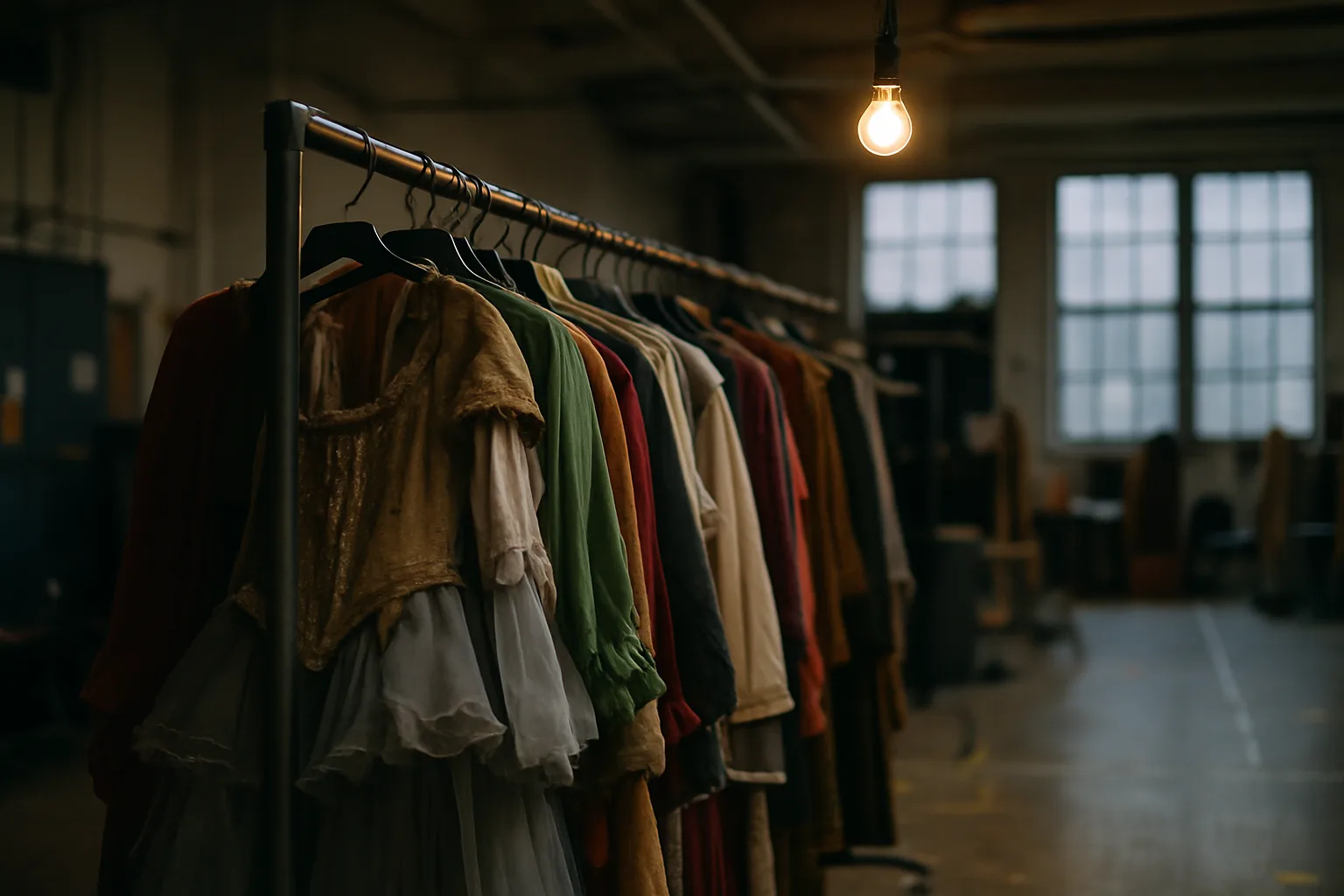
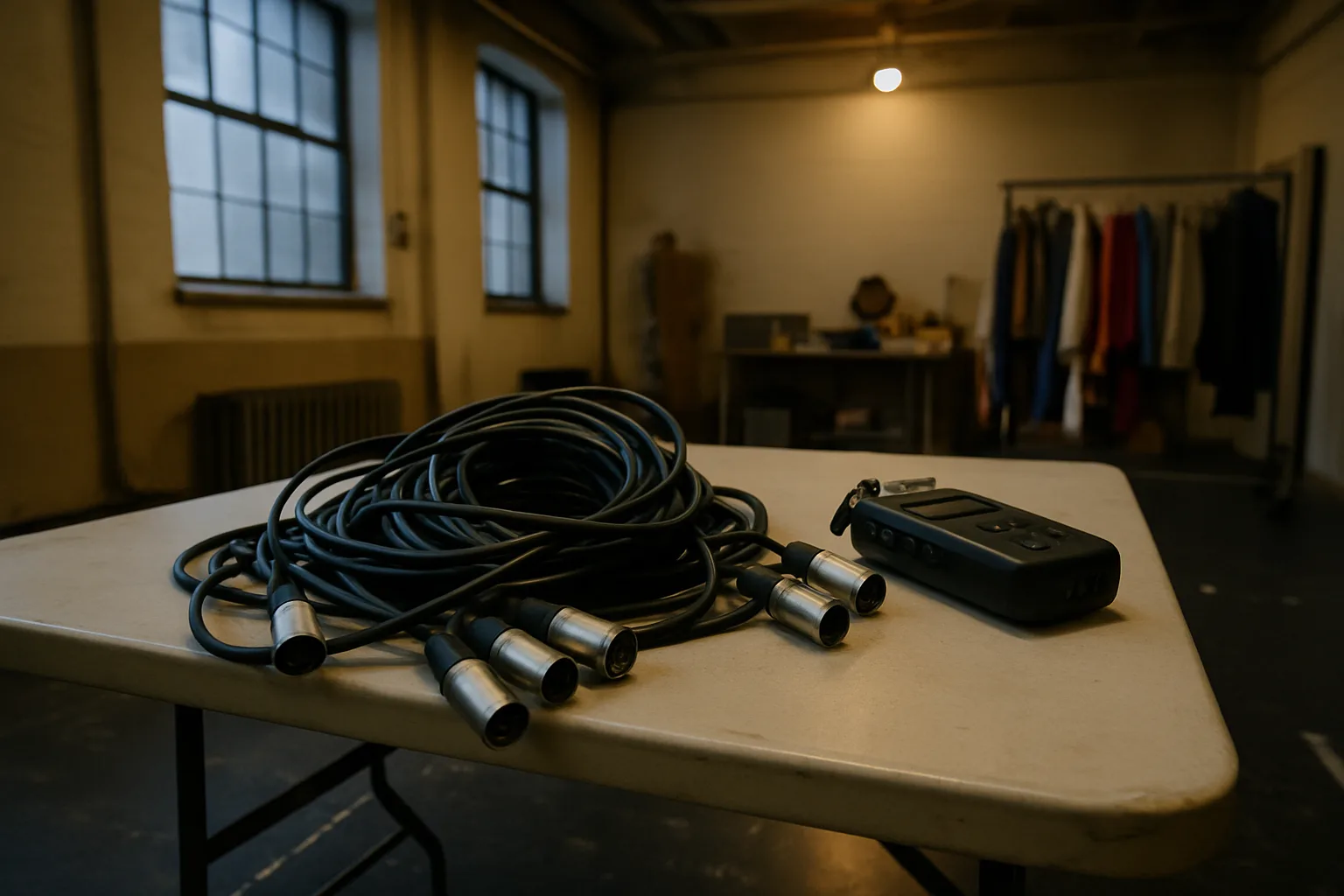
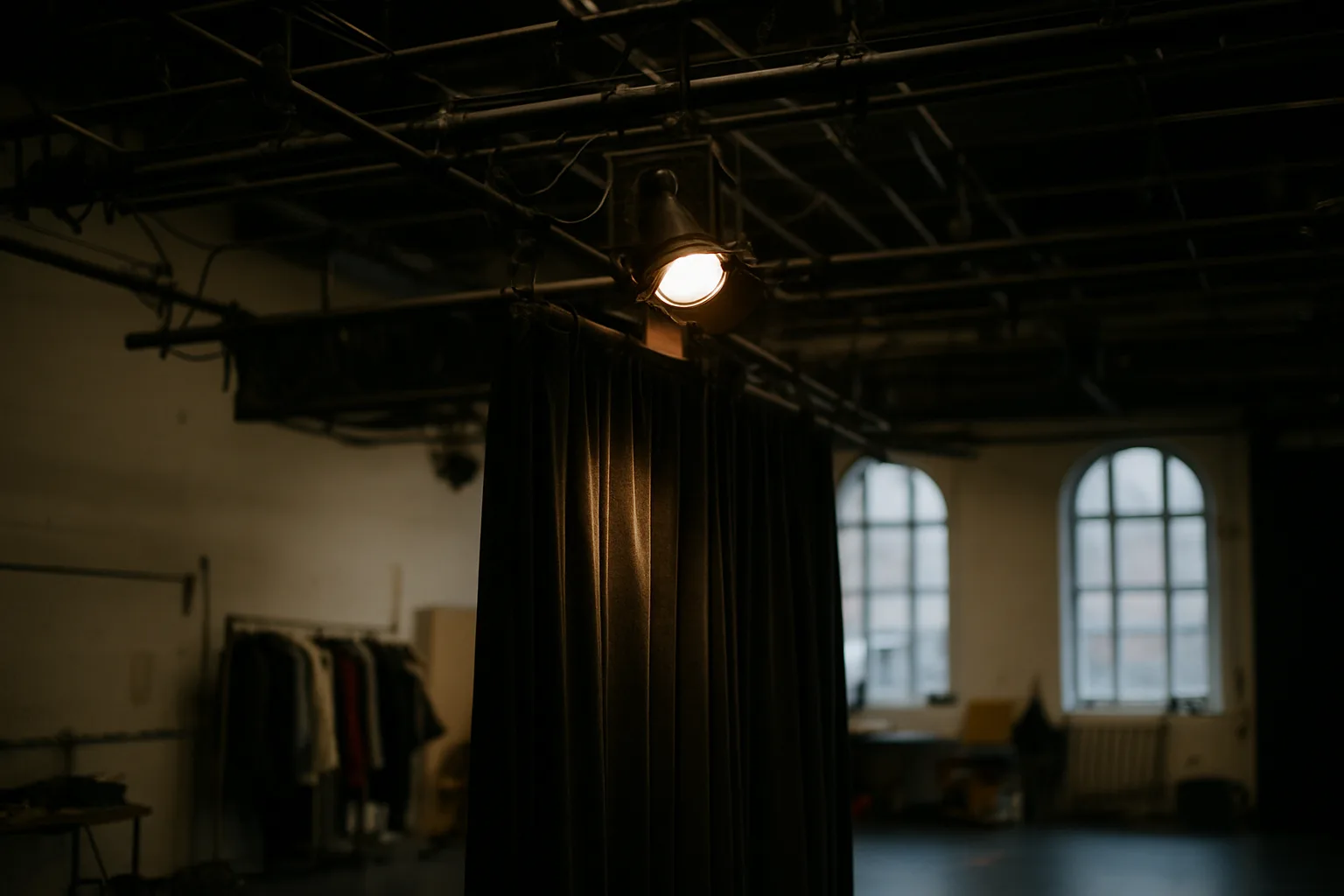
France — in the rehearsal rooms, the wings and on tour

Le Pied en Coulisses

Backstage films, interviews and tour diaries from French dance and theatre — the half-hour before the curtain goes up.

  • Backstage films
  • Artist interviews
  • Tour diaries

What companies and venues ask us for

Four ways we work. Every one of them starts with a conversation about your season and your schedule.

Most asked for

Season Coverage

We follow a whole season: each new production gets a backstage film and a set of stills, published as the run opens.

  • One backstage film per production
  • Two artist interviews per production
  • Photo set cleared for your own channels
  • A place in the app's season guide

Tour Diary

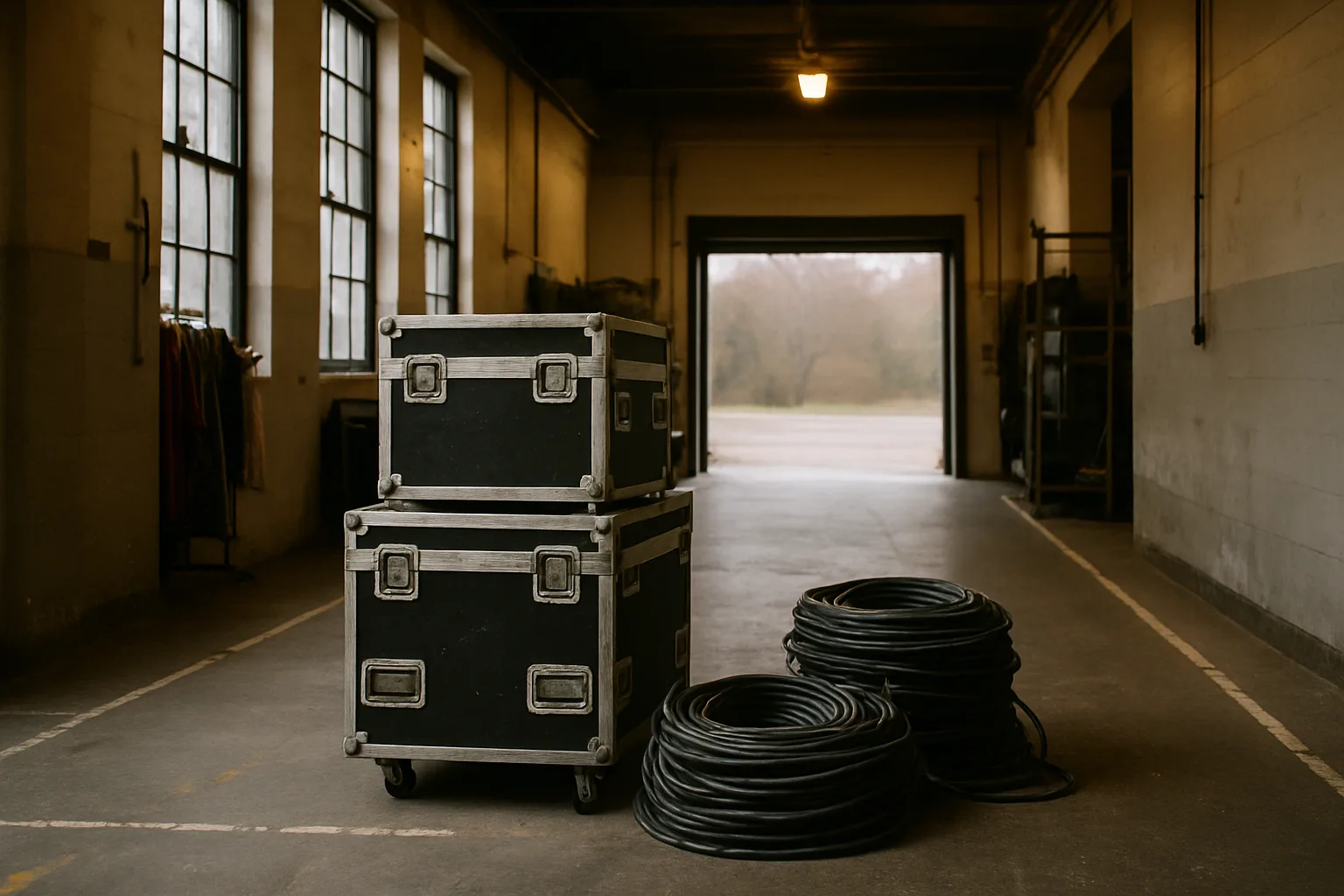
We travel with the company and film the parts of touring nobody sees: load-in, the unfamiliar stage, the warm-up in a borrowed studio.

  • Short episodes released through the run
  • Load-in and get-out footage
  • Voice notes recorded by the dancers themselves
  • A closing film for the end of the tour

Artist Portrait

One performer, filmed across rehearsal and performance, with a long-form interview about the work and the body that does it.

  • Long-form filmed interview
  • Rehearsal and class footage
  • Portrait stills
  • Written profile in the artist directory

Stage Life Episode

A recorded conversation about stage life — injury and return, understudying, a première that went sideways — taped in your own rehearsal room.

  • Recording on your premises
  • Edited episode for the podcast feed
  • Transcript in French and English
  • Audiogram clips for social

Scope, crew size and delivery dates are agreed in writing before we film anything.

How we work, and why companies let us in

Filmed from the wings, not the front row

We arrive at call and leave after get-out. Two people, available light, no extra rig blocking a quick change or a crossover.

Interviews that start after the curtain

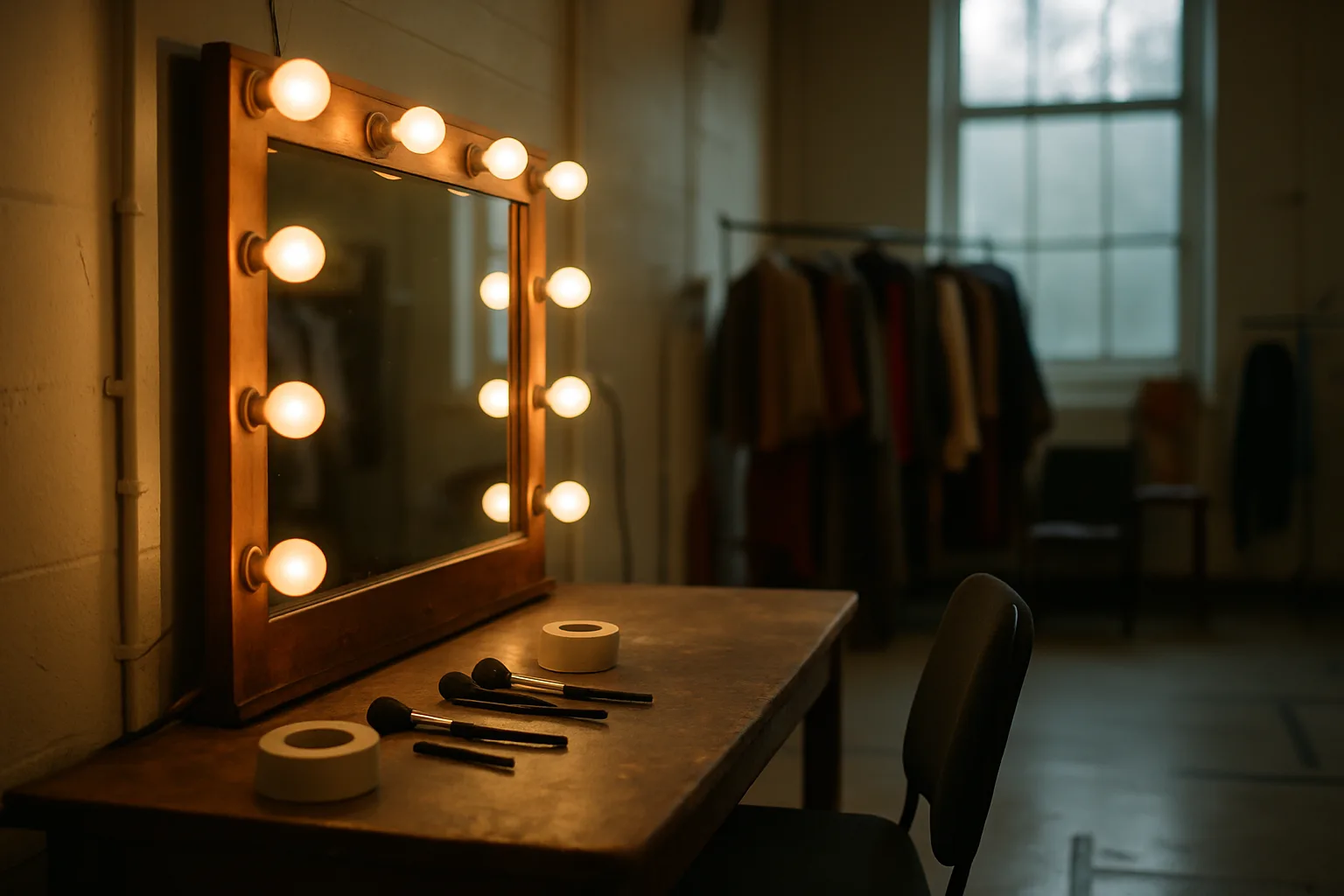
Dancers and performers talk differently with the make-up half off. We ask about the work — counts, injuries, nerves, the understudy's week — not about fame.

Tour diaries kept week by week

A run is a story with chapters. We publish as the tour moves, so audiences in the next city arrive already knowing the company.

Episodes made for the journey home

Podcast-style conversations about stage life, edited tight enough to finish on a metro ride, subtitled and transcribed in French and English.

Profiles that stay useful after the run

Company and artist pages keep the footage findable long after the posters come down — so a dancer's portrait is still there next season.

Editorial in your language, both of them

Everything we publish is written and subtitled in French and English, so a programme reaches audiences beyond the house that staged it.

What people who have been filmed say

★★★★★
They were in the building for four days and the technical team barely noticed them. The film they cut was the first thing our audience shared all season.
Camille, communications lead at a regional company
★★★★★
The interview happened after the show, in the corridor, still sweating. It is the only time anyone has asked me what the hard part actually is.
Yanis, dancer
★★★★☆
We used the tour diary episodes in the weeks before the company reached us. People arrived at the theatre already knowing who was on stage.
Hélène, venue programmer

Before you write to us

Do we see the film before it is published?

Yes. You get a review cut and a window to flag factual errors and anything that touches an unannounced casting, set or co-production detail. Editorial judgement on the rest stays with us — that is what makes it worth watching.

Can you film a working rehearsal without getting in the way?

That is the whole craft. Two people, hand-held, available light, no lamps on stands in a crossover. We agree with the stage manager in advance where we may stand and when we stop.

Who owns the footage, and can we use it ourselves?

We deliver a cleared set of films and stills for your own channels and press use. The edited pieces we publish remain ours editorially, and your material stays credited to the company.

What do you need from us to start?

The season or tour dates, the name of the person who runs the building on show days, and whatever permissions your performers' agreements require. We handle consent forms for everyone who appears on camera.

Do you only cover large companies?

No. Small ensembles, student companies and first productions are often the better story, because nobody has filmed the room they work in yet.

Tell us what you are staging

A season, a single première, a tour that starts in three weeks — write two lines about it and we will take it from there.

  • A producer from the editorial team reads every message personally.
  • We reply by email first; a call only if you ask for one.
  • The first conversation is about dates, the stage and what you can let us film.